PLAXIS
james johnson-perkins
ABOUT
GIGATAGE
PLAXIS
INTERMADES
VIDEOSTALGIA
SHOP
BIOGRAPHY
& archive

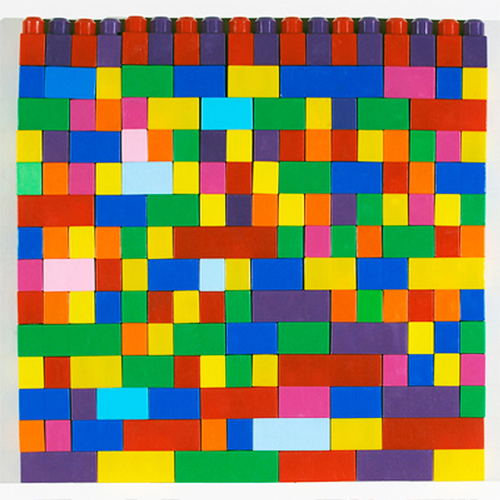
PLAXIS artworks utilize a combination of Play and Praxis. Incorporating childhood toys, puzzles, games and ideas which explore abstraction and nostalgia. Through these explorations Johnson-Perkins delves into his own relationship with childlike creativity and invites viewers to do the same. By using childhood materials in these fun and engaging works, such as: Lego, Mega blocks, Robots, Superheroes Motifs and Retro Computer references from the 80’s.
SELECTED PLAXIS WORKS
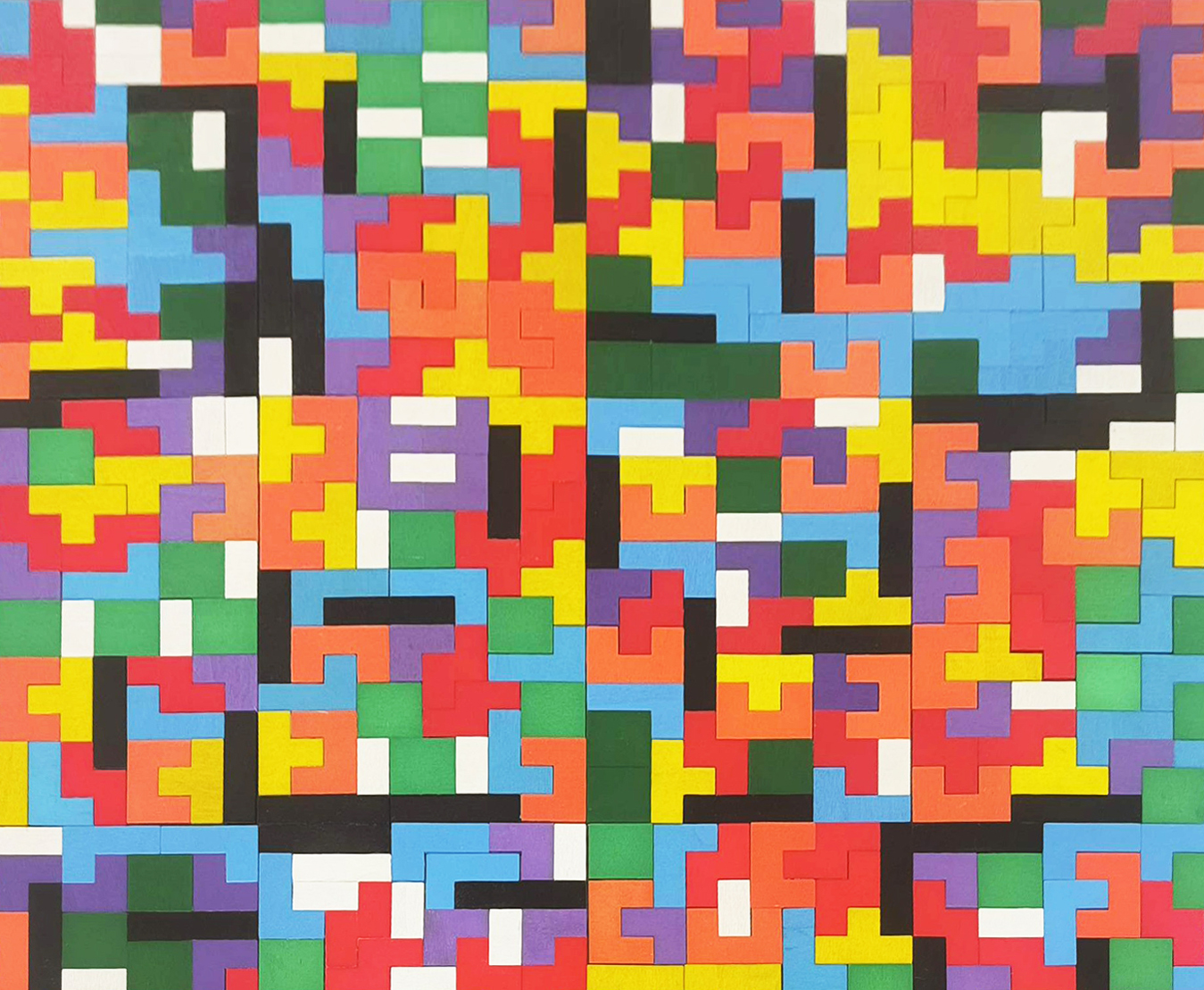
TETRIS PAINTINGS
MEGA BLOK PAINTINGS
TANGRAM PAINTING
STICKLE BRICK PAINTINGS
STUROVO SUPER HEROES VINYLS
ROBOTS SCULPTURES
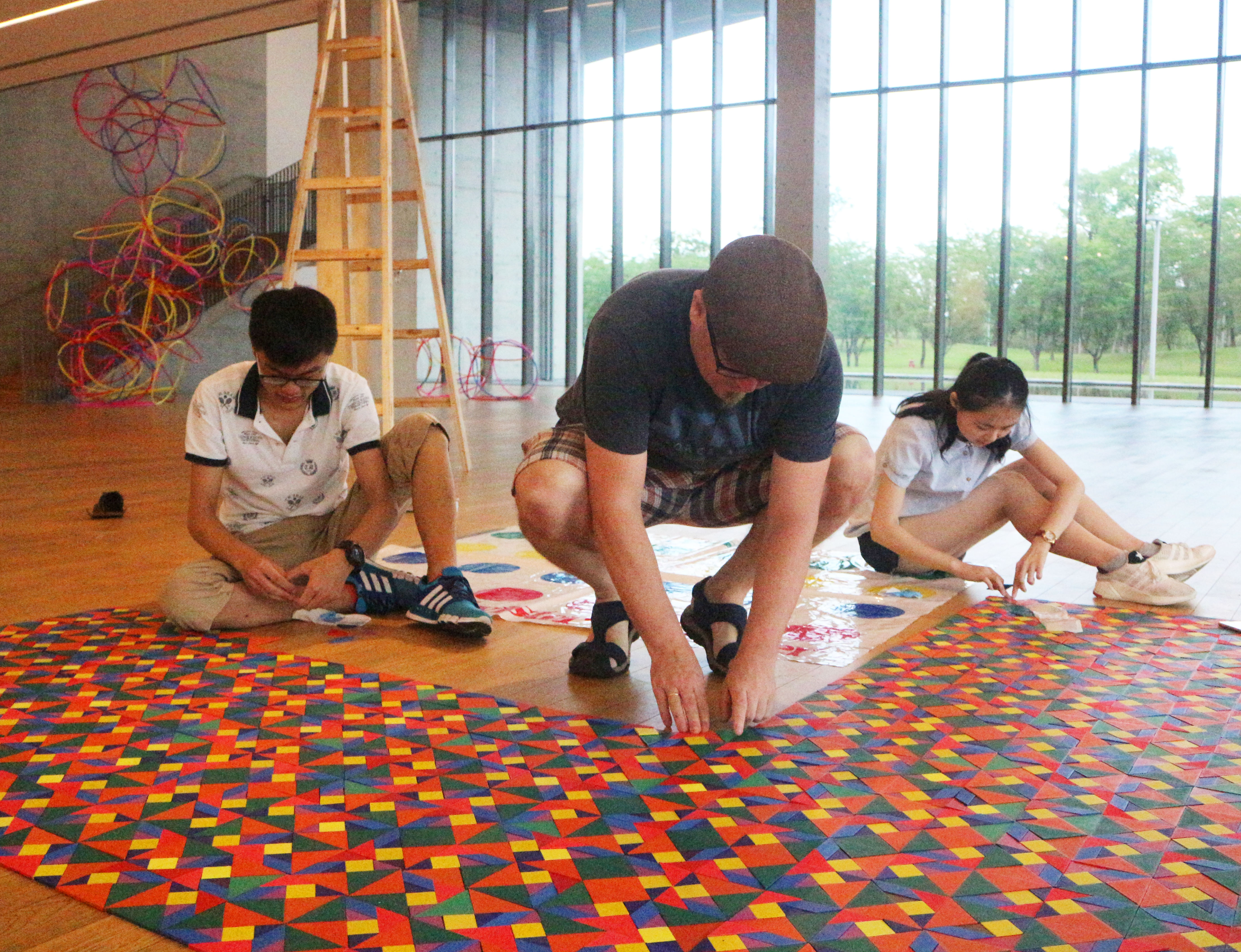
Liangzhu Culture Centre, Hangzhou, China
PRAXIS/PLAY
By mixing Praxis with Play, Johnson-Perkins wants the viewer to engage with their own creativity and imagination, and to consider the significance of these objects beyond their personal connection and to create a deeper understanding of the cultural and social context of childhood materials and their significance.
These PLAXIS works move between the tactile and the conceptual, where nostalgia is not simply revisited but actively reworked. Through this process, Johnson-Perkins examines his relationship to childlike creativity, opening space for viewers to reconnect with formative experiences of play, invention, and imagination rooted in personal and collective memory.
This approach extends into Tetris-based compositions, Tangram puzzles, and Stickle Brick structures, where modular logic and game-like construction explore spatial constraint and accumulation. The block becomes a shared unit of thinking, shifting between image, object, and system, testing how order and instability coexist within simple formal languages.
Situated within a shared cultural landscape, the work reflects influences from Bob Law, Eduardo Paolozzi, Kazimir Malevich, Piet Mondrian, and Sean Scully. Childhood reference merges with modernist abstraction, where play becomes enquiry, and modular forms shift between toy and device, grounding abstraction in memory, materiality, and lived experience.